Keywords: Free-Living Cats, Free-Living Dogs, Companion Animals, Nepal
- Summary
- Funding & Affiliations
- Project Updates
- Fieldwork
- Peer-reviewed publications
- Presentations
- Local Animal Charities
Summary
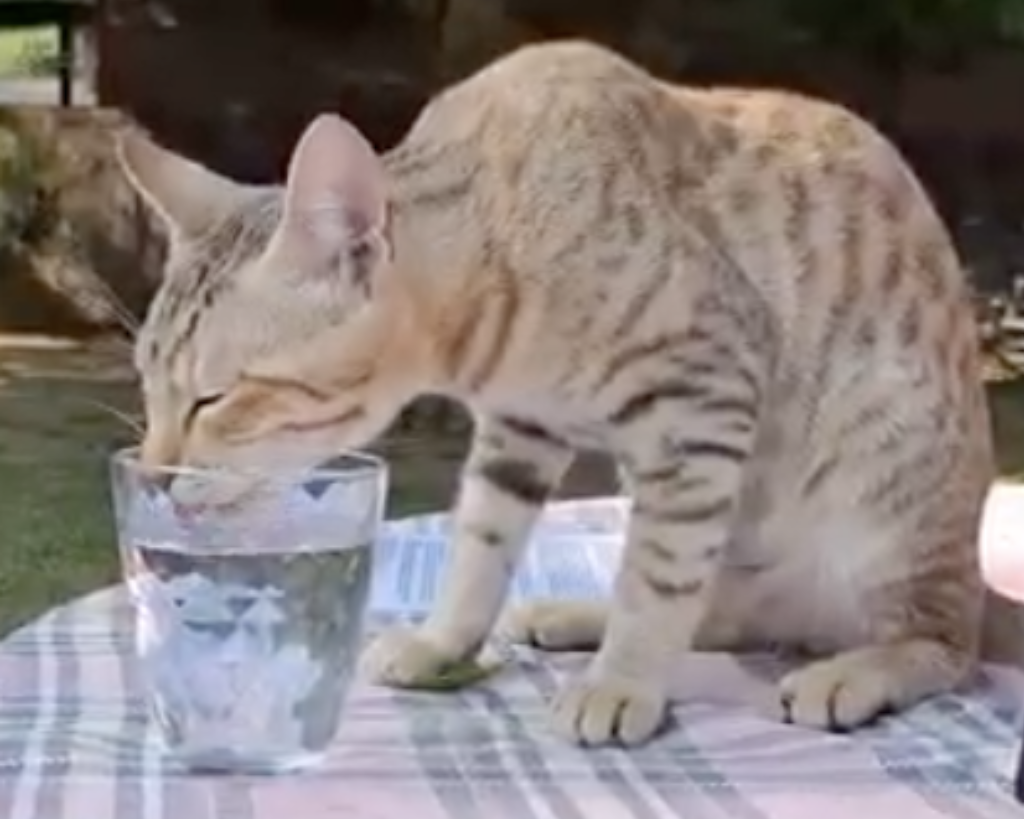
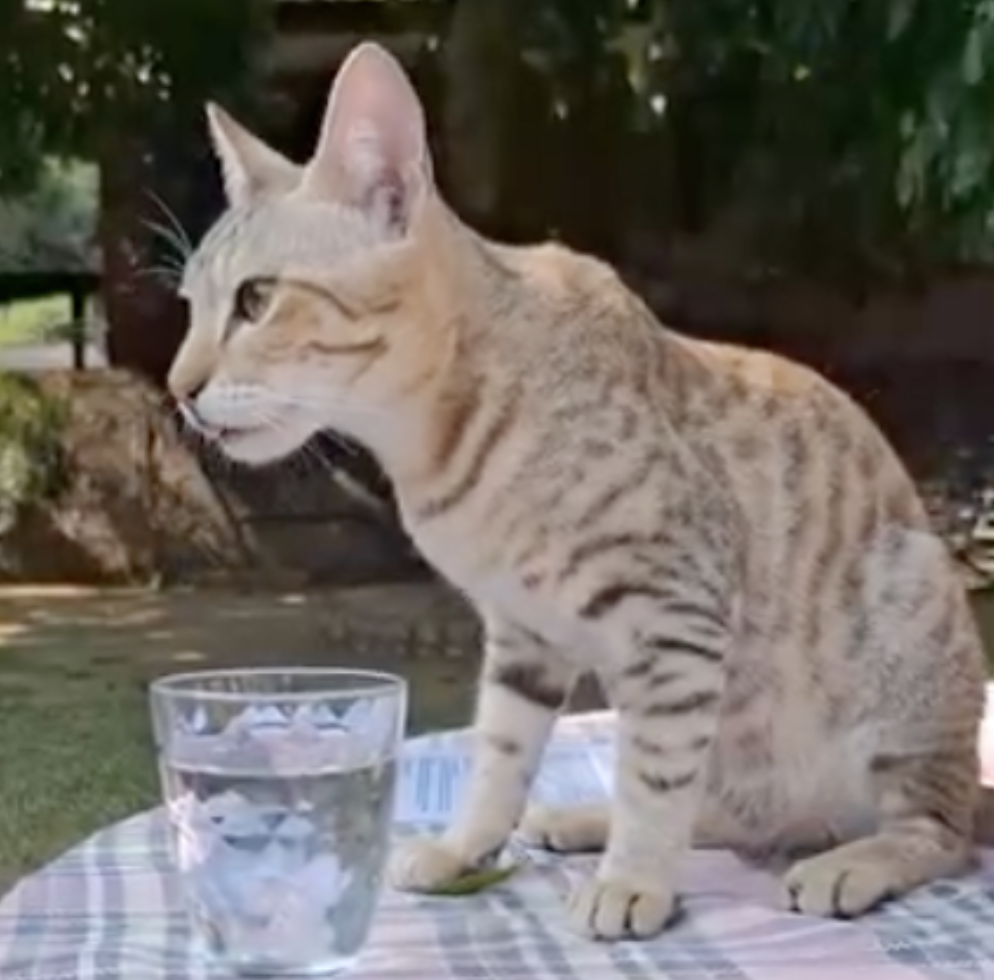
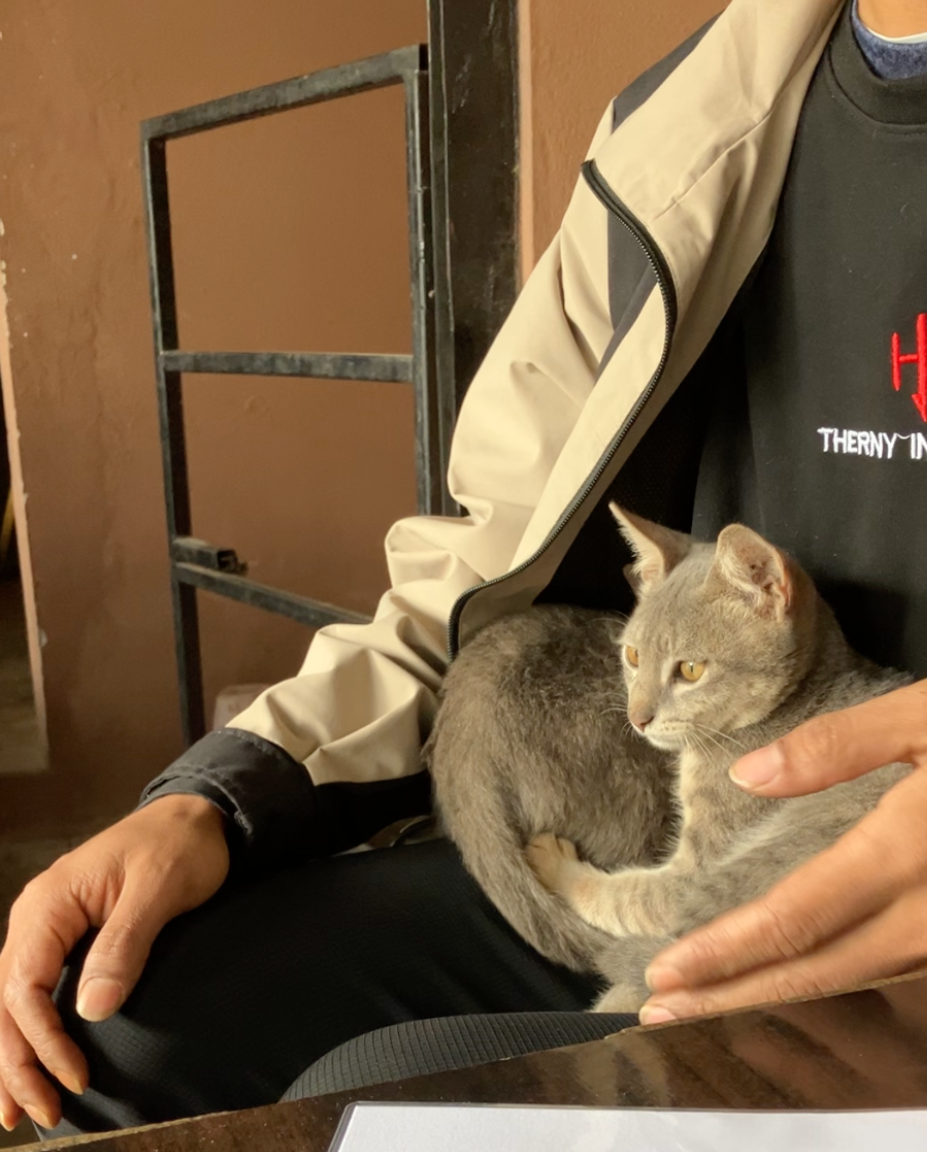
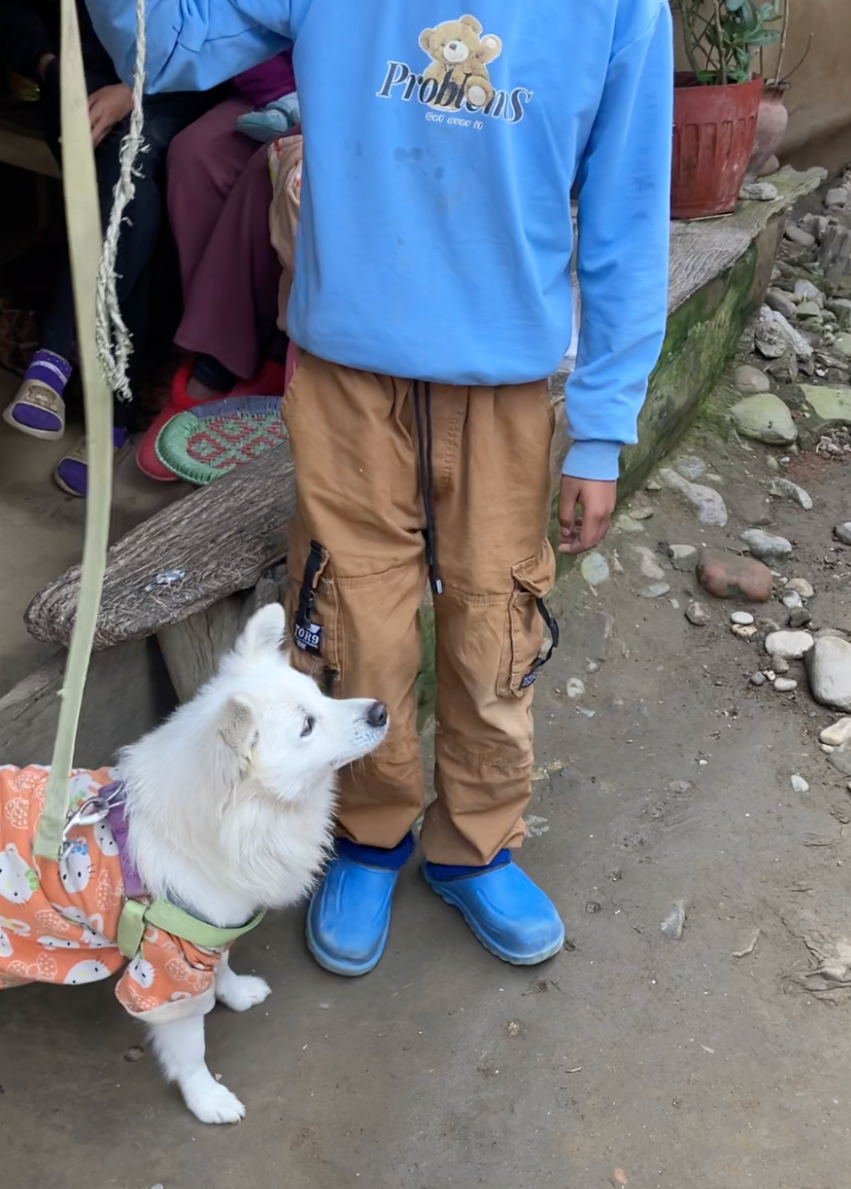
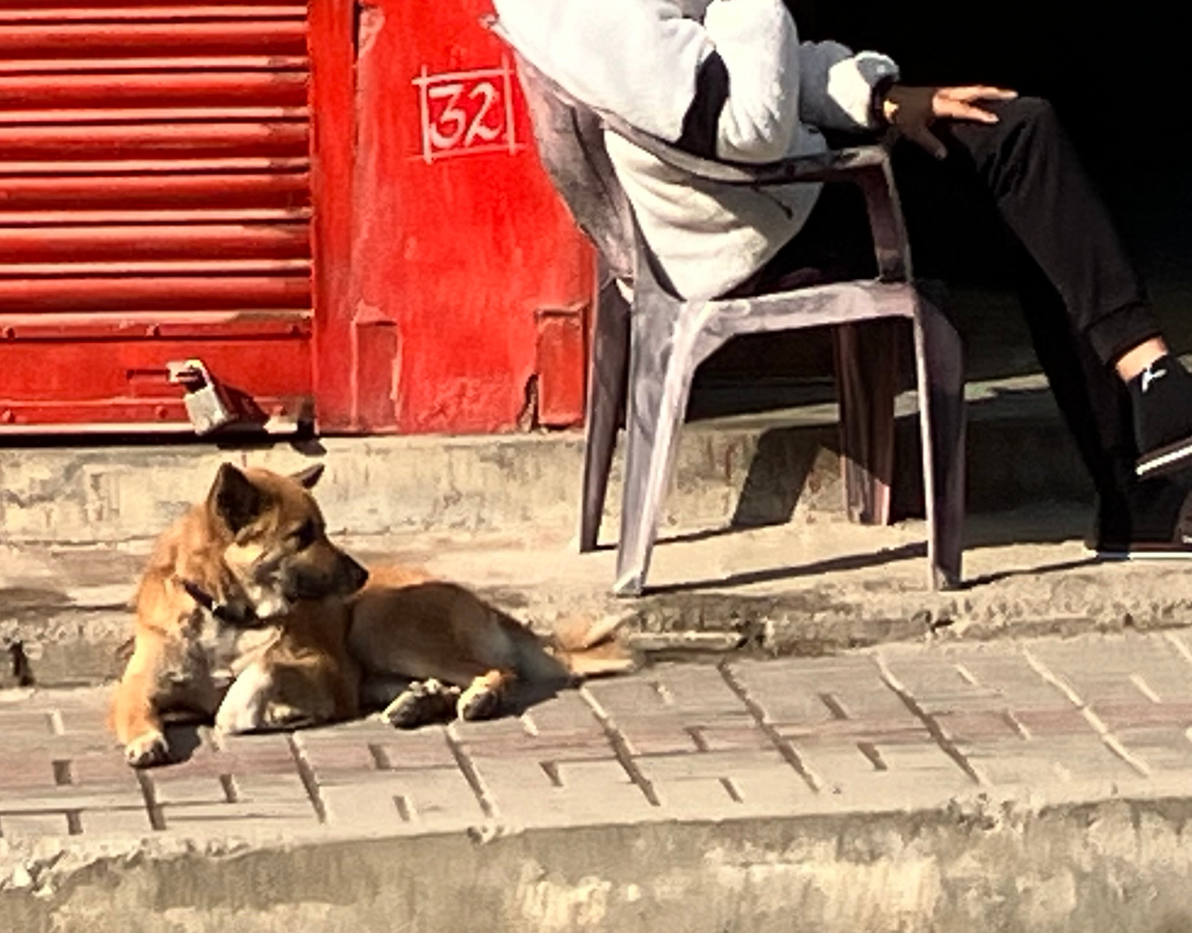
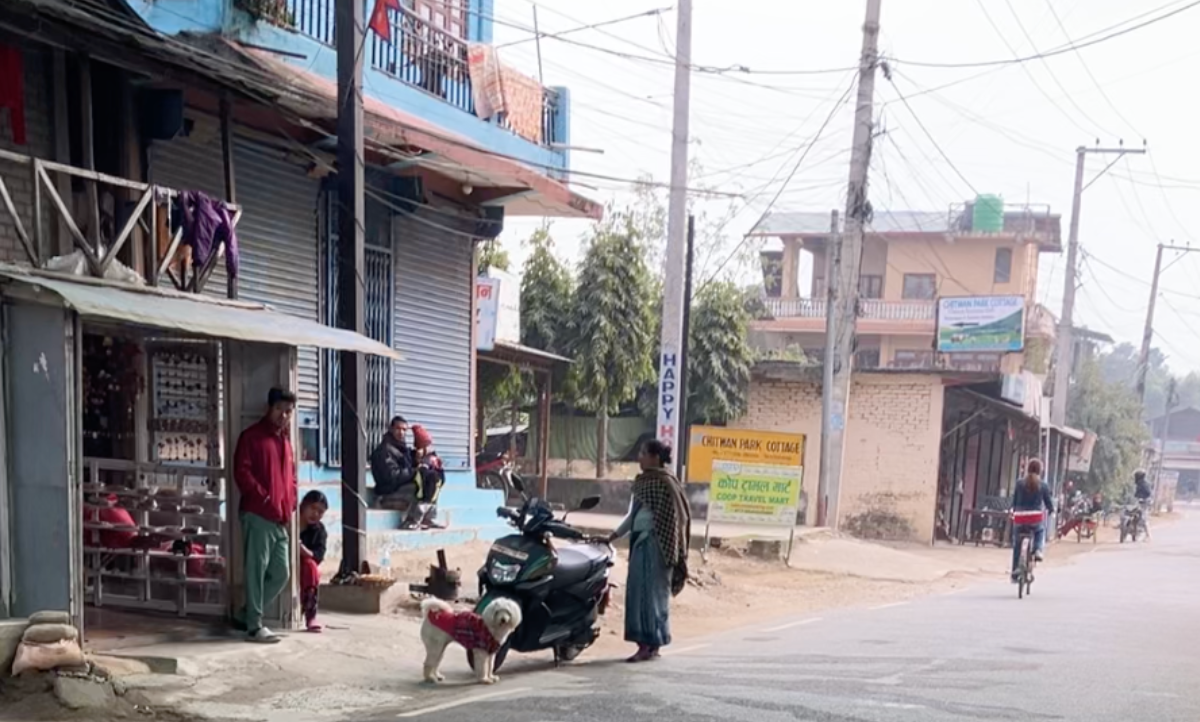
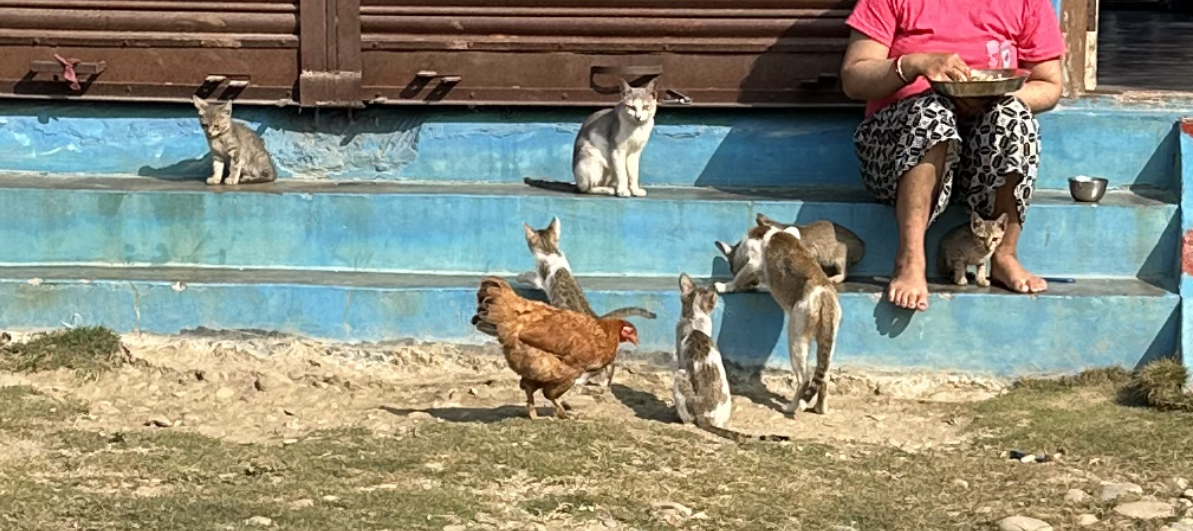
Pet-keeping and human relations to companion-animal species (cats and dogs) in Nepal are very different from Westernised societies. “Owned” (pet or family) Nepalese dogs are typically allowed to wander freely, live exclusively outside the home, and regularly socialise with larger canine groups. Some dogs are referred to as “shop dogs”, and are allowed to inhabit spaces proximate to restaurants, butchers, and dry-goods stores. Many “unowned” dogs are fed or cared for by local community members, who contact animal-based NGOs only when medical intervention is needed. National NGOs provide adoption events, TNVRM programs, and emergency care (local vets work only with livestock, not companion animals). Prior to 2014, domestic cats (Felis catus) were rarely seen in Nepalese cities or villages. However, in the last decade, cats have begun to appear around agricultural land, shops, and in protected areas such as within the boundaries of national parks.
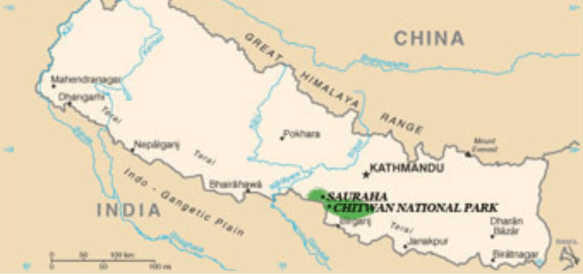
Chitwan and Bardia National Parks are two of these parks and are surrounded by small municipalities and rural villages. In these villages reside numerous livestock species, captive wildlife, free-living (owned and unowned) dogs, and more recently, cats. This project will explore the nature of the human-pet bond within this cultural context, focusing on potential risks and benefits to human and companion-animal (cat and dog) health and wellbeing. Working primarily with Nepalese residents and NGOs, this project seeks to identify how veterinary and social provision can support that bond.
Funding & Affiliations
This project was generously funded by a Society for Companion Animal Studies (SCAS) Pump Priming Grant 2024 of £10,000 (Principal Investigator, Dr. M. Szydlowski)
The project is managed by researchers based in the USA and Europe, expanding long-term ties to the Sauraha/Chitwan area and ongoing collaborations with Nepalese researchers, NGOs, and residents. The researchers declare they have no political or personal conflict of interest, nor will they benefit financially from the output of this research. The proposed research has been reviewed by Miami University, USA and is funded by the Society for Companion Animal Studies (SCAS).
Project Updates
Fieldwork
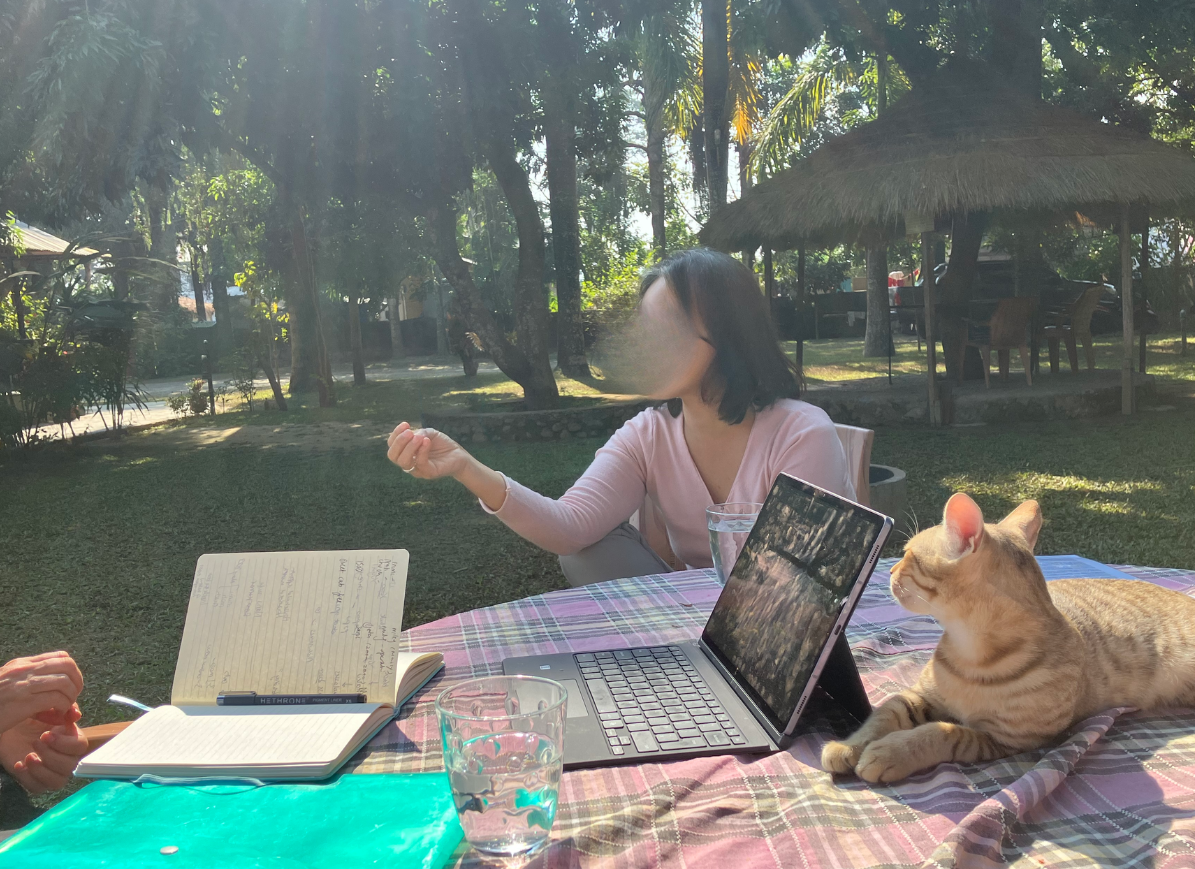
January 2025
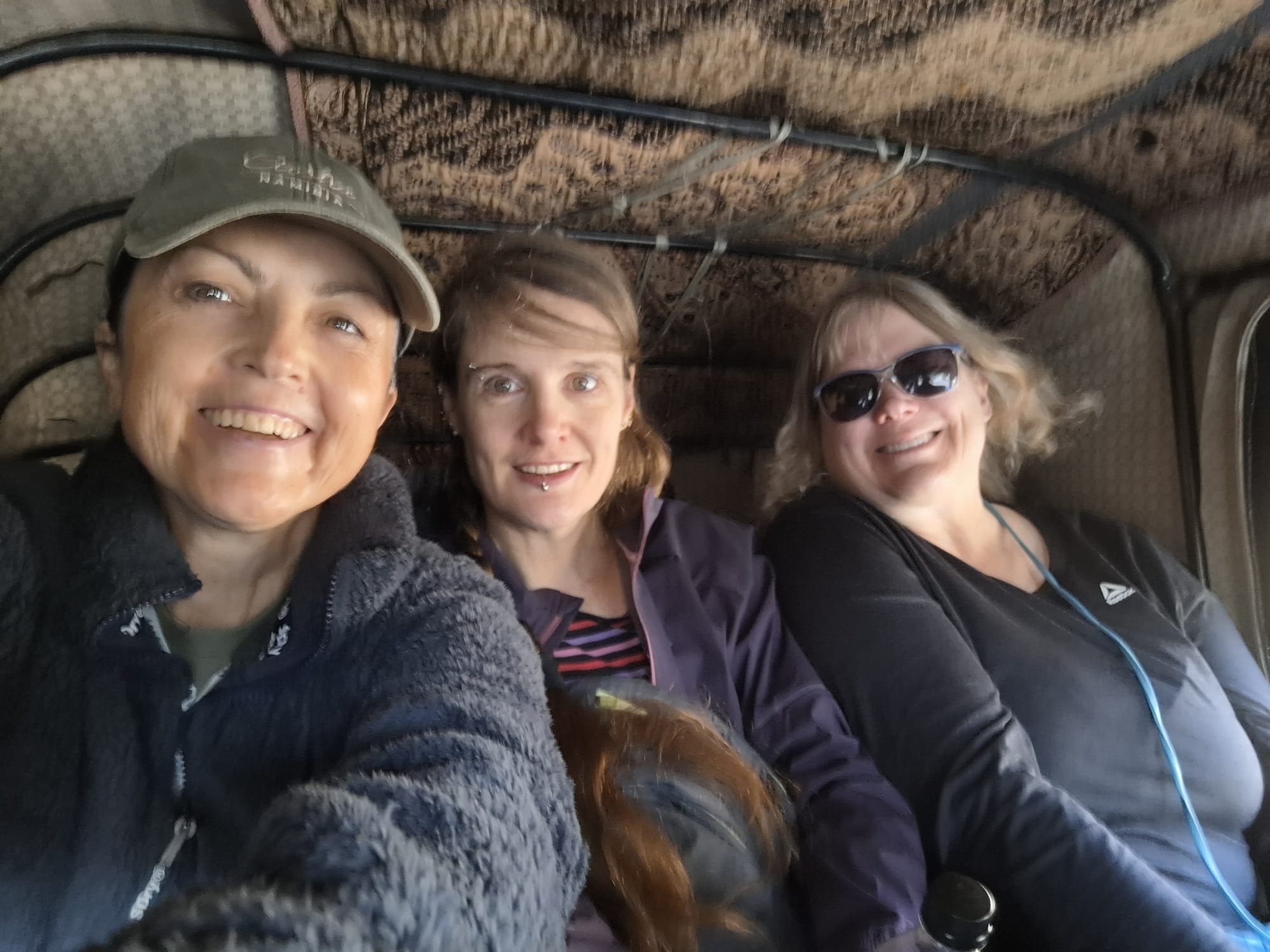
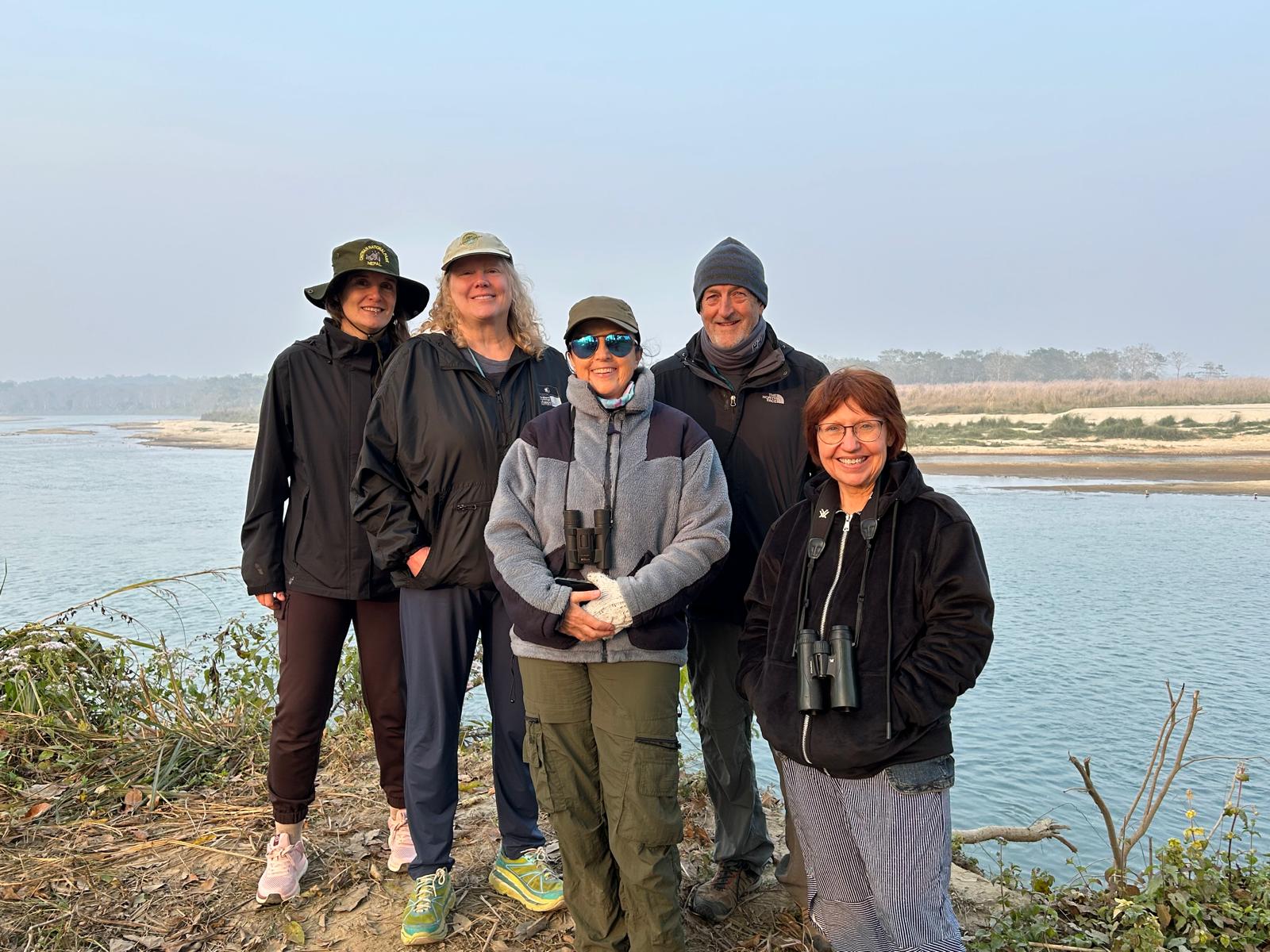
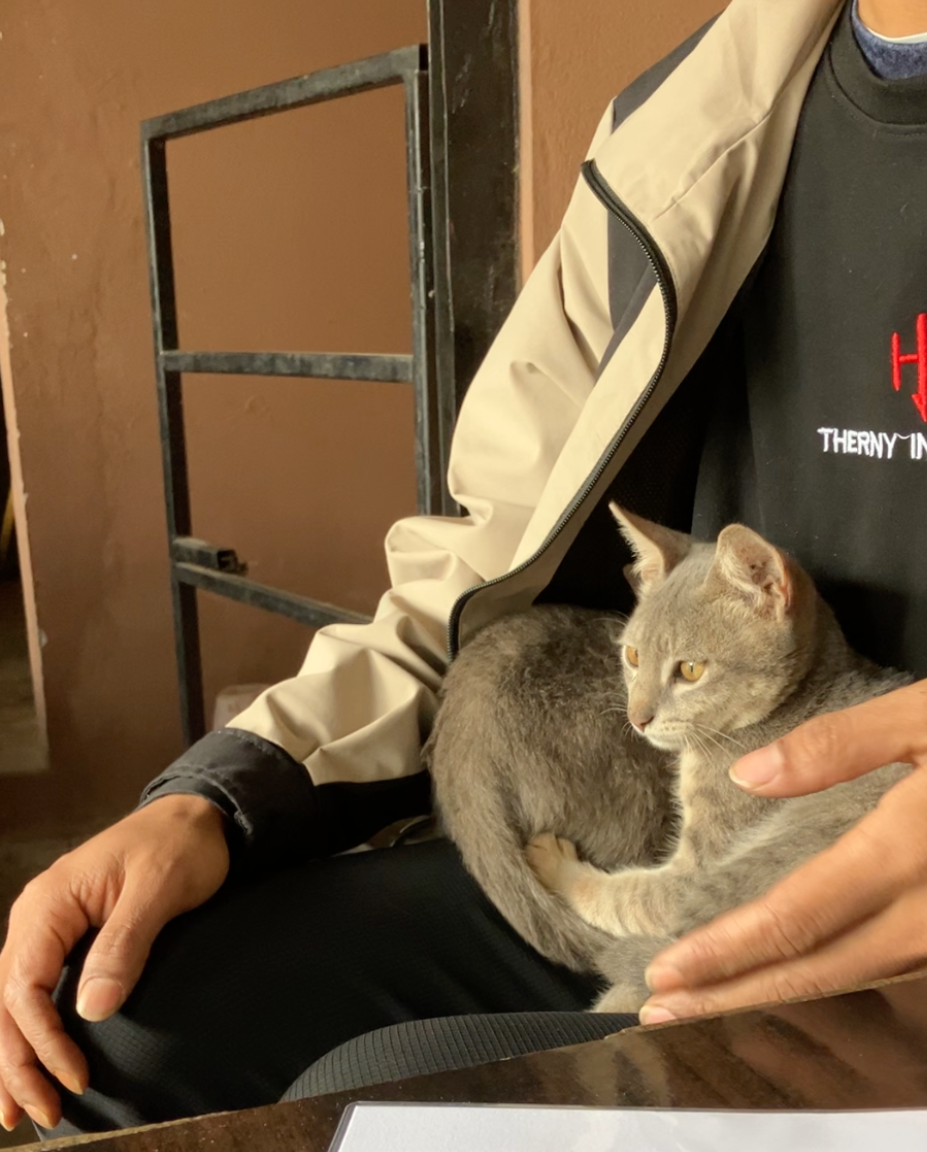
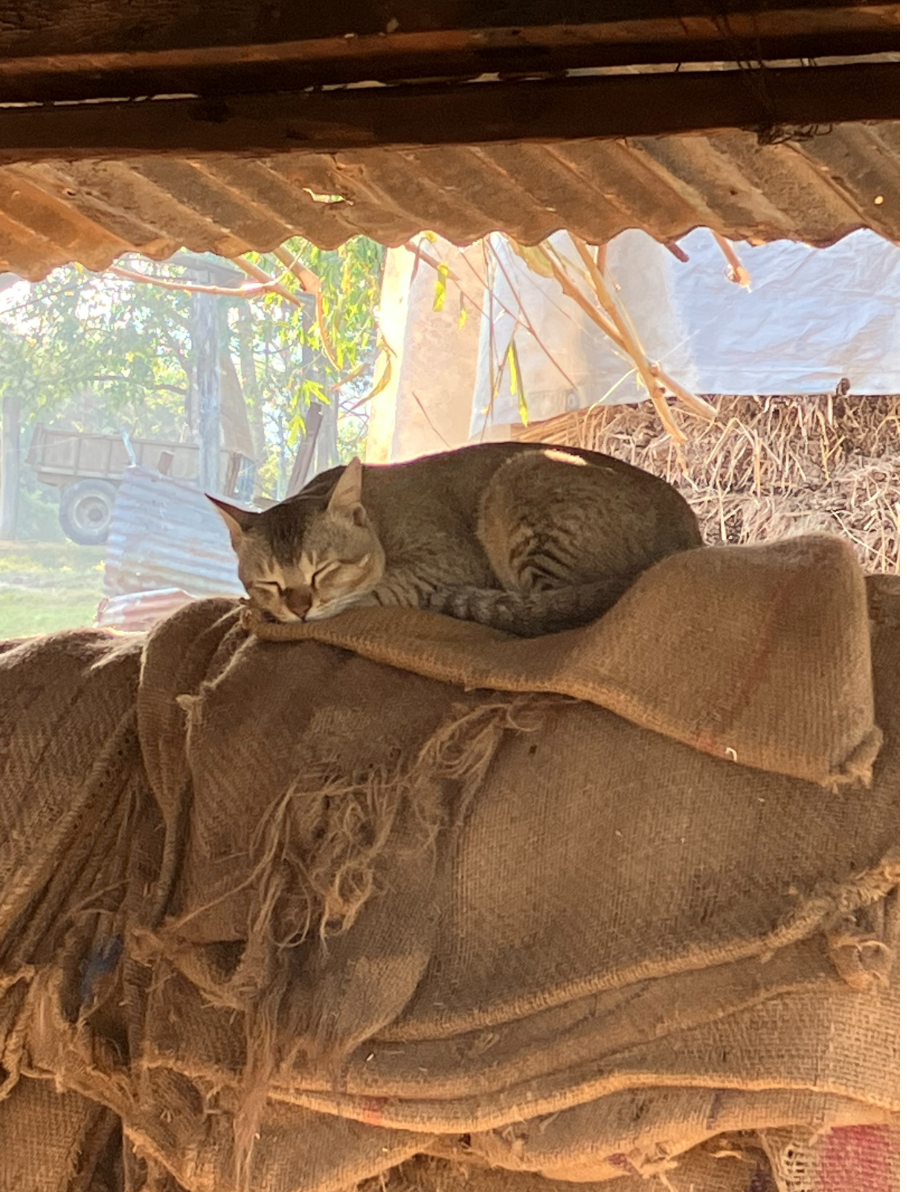
Peer-reviewed publications
Coming soon…
See here for a full list of my publications.
Presentations
Upcoming Presentations:
Stay tuned…
Previous Presentations:
K. Hill, M. Szydlowski, S. Oxley Heaney (2025, 23-24 August). Caring and Coexistence with Cats and Dogs in Rural Nepal. The International Association of Human-Animal Interaction Organizations (IAHAIO) Conference. Well-being for all: Innovation and insights in human-animal interactions, Amsterdam, NL. Programme here.
M. Szydlowski, K. Hill. S. Oxley Heaney (2025, 13-15 March). Covert cats: The (Very Modern) Appearance of Felis catus in Sauraha, Nepal. Living with Animals 6: Invisibilities. University of Eastern Kentucky, USA. Programme here.
Local Animal Charities



 Academic Cat Lady