- Overview
- Peer-reviewed publications based on my PhD
- Doing a distance-based PhD
- The Ultra-Challenge
- Acknowledgements
Overview
In 2023 I earned my PhD in Anthrozoology from the University of Exeter
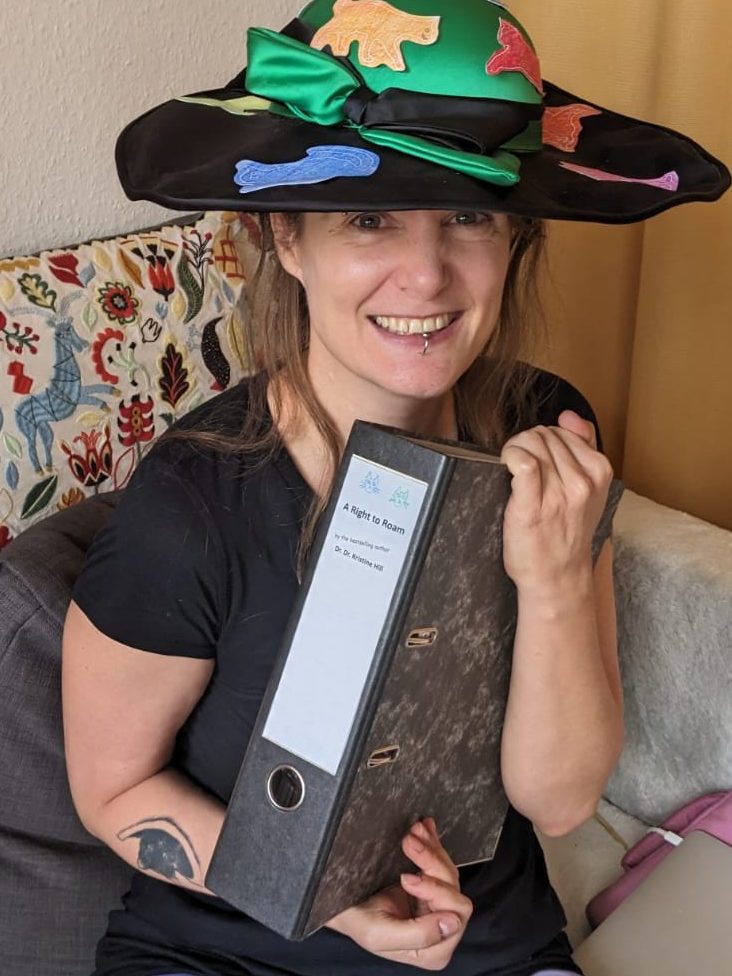
A Right to Roam? A trans-species approach to understanding cat-human relations and social discourses associated with free-roaming urban cats (Felis catus)
Cats have been living alongside humans (Homo sapiens) for several millennia, and today the domestic cat (Felis catus) roams neighbourhoods worldwide. However, times are changing. There are concerns regarding the impact of free-roaming cats on wildlife. Busy roads pose a significant danger, and the relatively recent, and somewhat controversial phenomenon of the ‘indoor-only cat’ is in part a response to the various outdoor threats. While some residents enjoy feline visitors, others consider them unwelcome nuisances. Through discourse analysis of media reports, social media commentary and exchanges, survey responses, interviews, and behavioural observations, my research explores the dynamics of contemporary cat-human relations. With a better understanding of cat-human relations and how these are influenced by facts, experiences, and sensationalist reporting, future efforts can focused on ethical and well-informed solutions that benefit cats, humans, and wildlife.
This is a poster outlining my project in 2022 (1 yr prior to completion):
Listen to me talk about my thesis in three-minutes and 5 seconds (from 2021):
Peer-reviewed publications based on my PhD
More coming soon… (several under review!)
K. Hill (2024). Cat-human intersubjectivity and joint-meaning making within multispecies families and communities. Humanimalia, 15(1), 45–74. DOI: 10.52537/humanimalia.18145
K. Hill (2024). To Roam or Stay Home? Understanding “Pet Parenting” Types in Relation to the Indoor/Outdoor Cat Debate, Anthrozoös, 37(6), 1133-1154. DOI: 10.1080/08927936.2024.2360788
K. Hill (2024). Control your cats! The biopolitics of urban cat-human relations, in Studies on the Human-Animal Relationship. Anthrozoology Series III. edited by B. László, A. L. Kiss. Anthrozoology Research Group of the University of Debrecen. pp. 84-98. Download book here.
K. Hill (2024). Did anyone ask the cats? Speculating on the potential of speculative fiction to explore the feline perspective, in Anthrozoology Studies: Multispecies Communities and Narratives, edited by I. Frasin, G. Bodi, S. Bulei, C. D. Vasiliu. Romania: Presa Universitară Clujeană. pp. 125-159. Download book here.
K. Hill (2022). Feral and out of control: a moral panic over free-roaming cats? in Anthrozoology Studies: Animal Life and Human Culture, edited by I. Frasin, G. Bodi, S. Bulei, C. D. Vasiliu. Romania: Presa Universitară Clujeană. pp. 123-157. Download book here.
See here for a full list of my publications.
Doing a distance-based PhD
On 4 July 2023 I passed my viva. You can read my PhD thesis here.
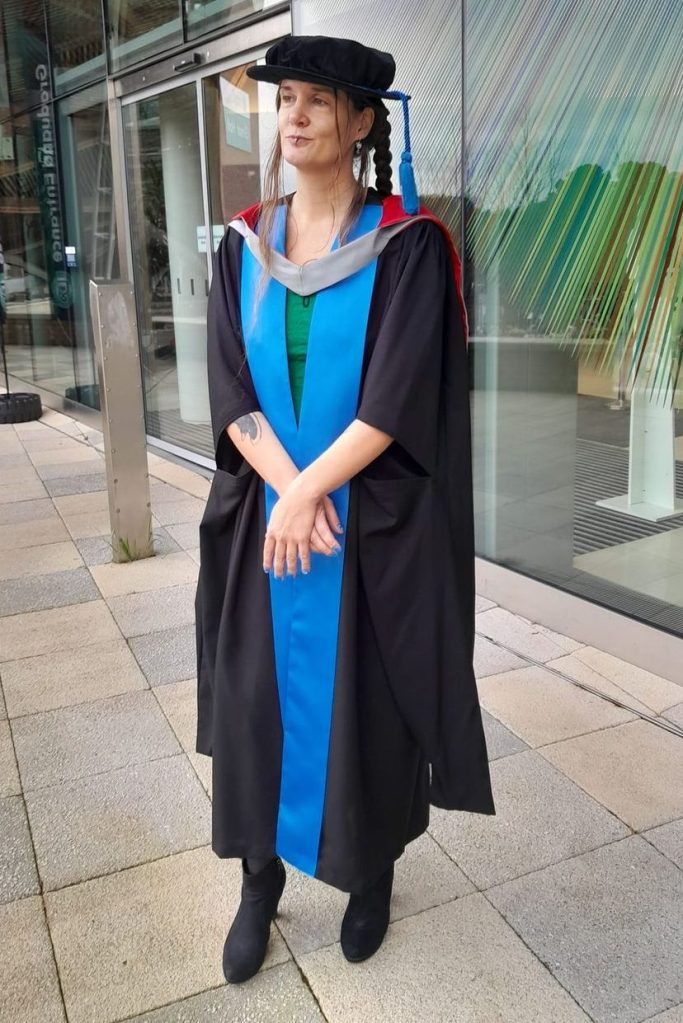
I live in Berlin, Germany, and completed my PhD via a distance-learning option. I am happy to chat with anyone who is considering this. It is not for everyone, but for many provides the necessary flexibility (and for some it is the only option). I wrote about my experiences in a couple of guest blogs recently (linked below). But here is a picture of me at graduation in-person, on campus, wearing the magical hat!!
K. Hill (2023, 2 Oct). Doing a distance-based PhD before, during, and post-pandemic. University of Exeter Doctoral College Blog. Read here.
K. Hill (2023, 2 Sept). Will Distance-Based PhDs Replace The On-Campus Experience? The PhD Place. Read here.
The Ultra-Challenge
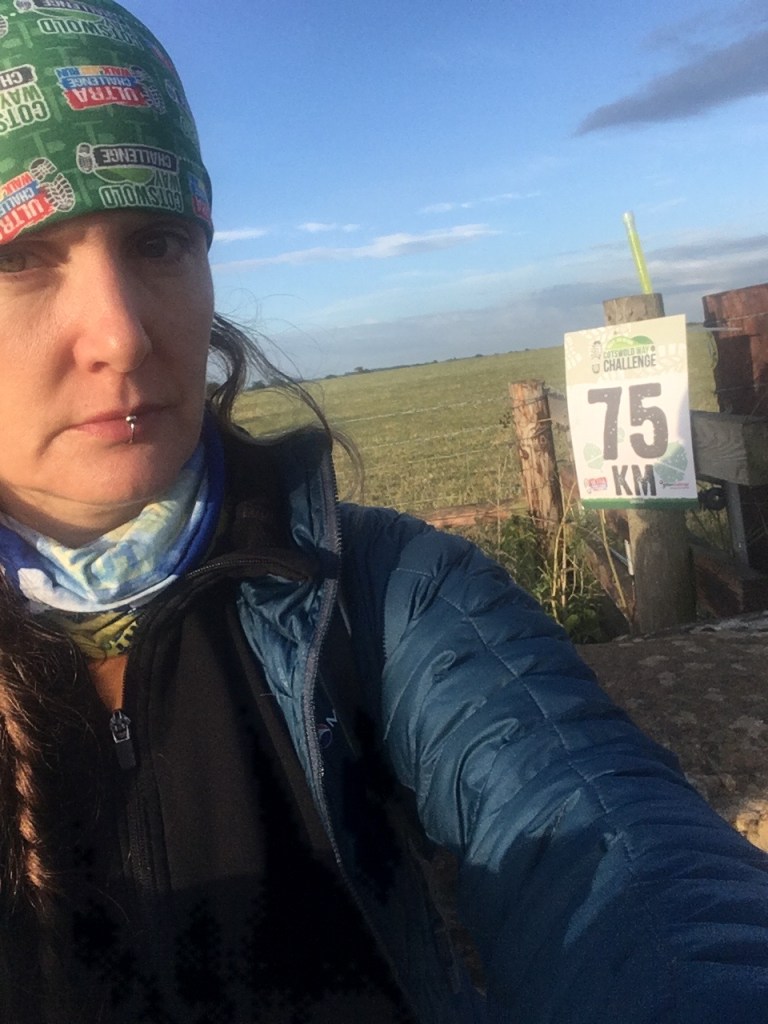
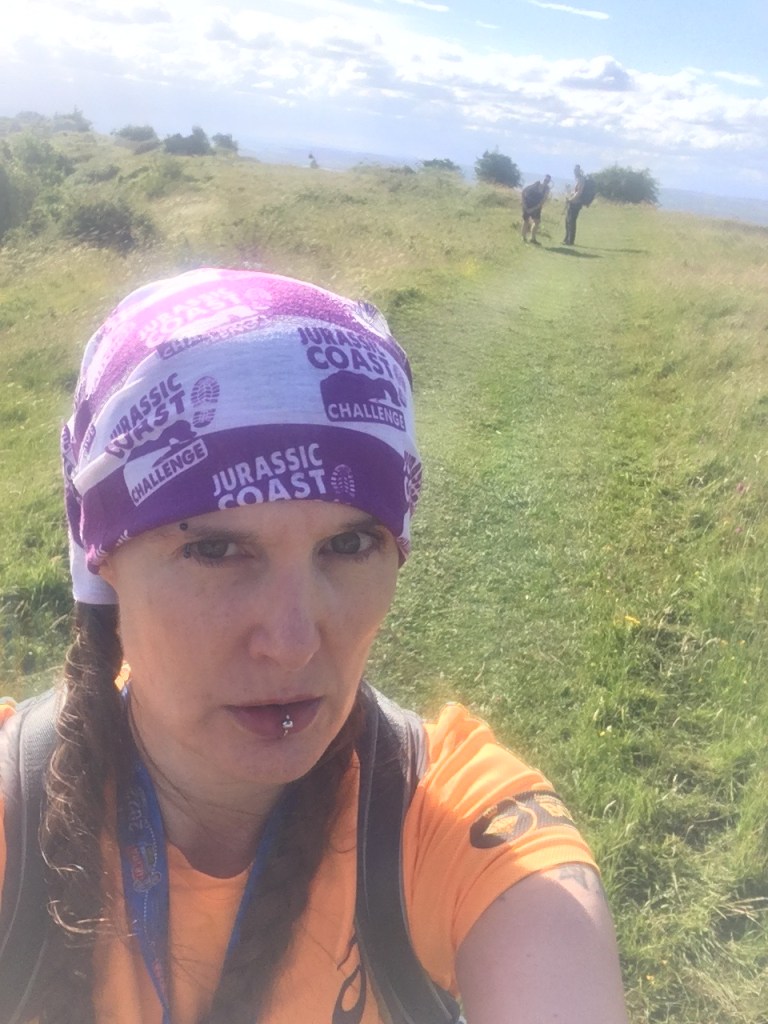
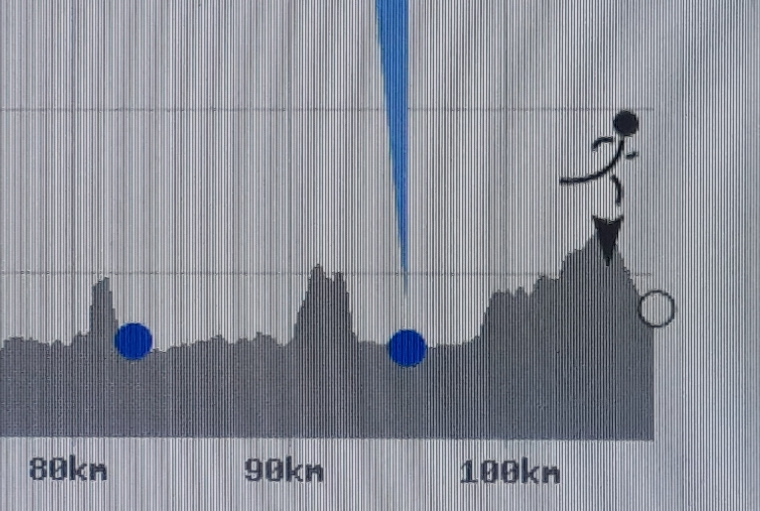
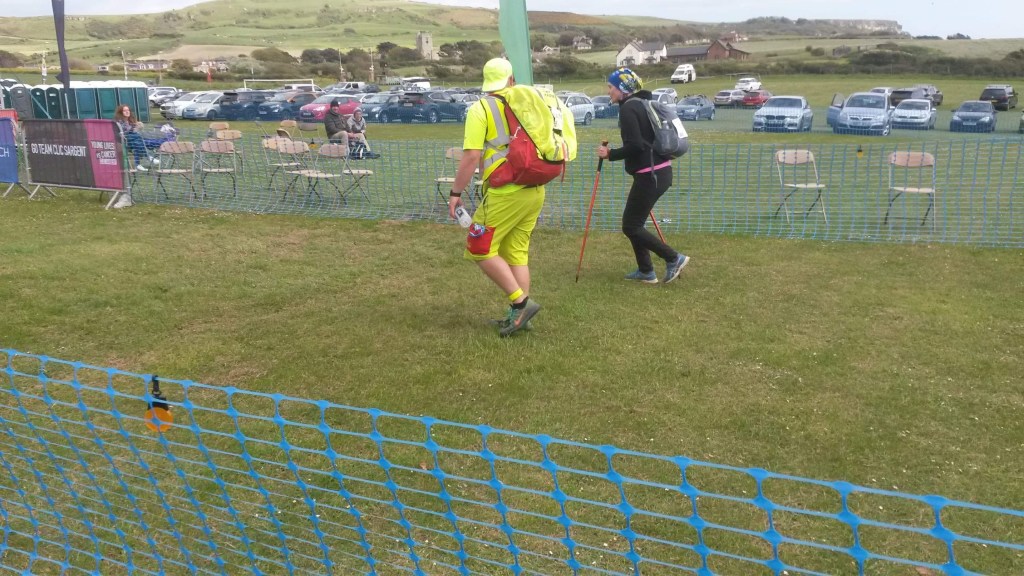
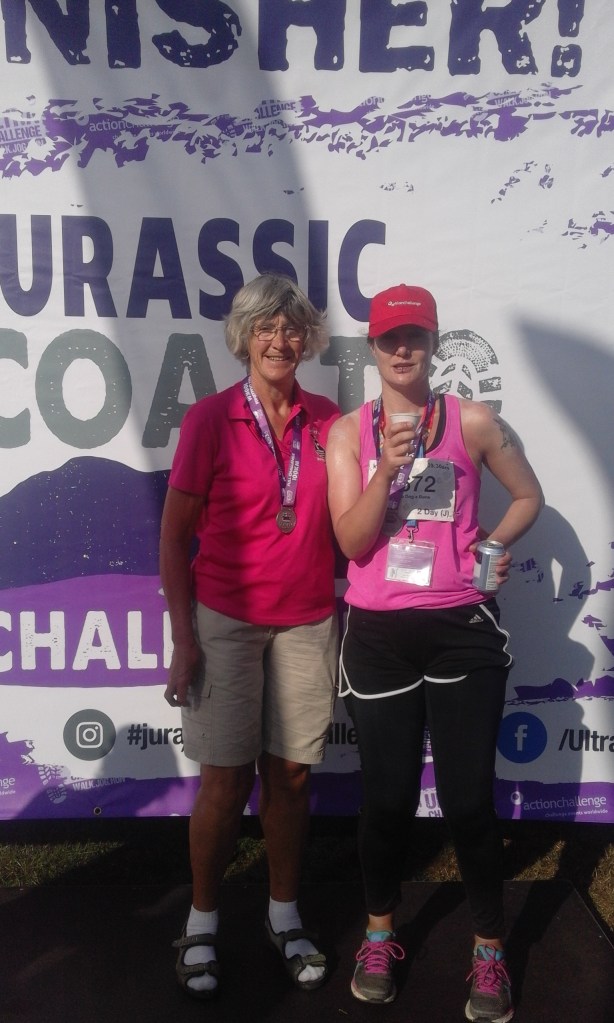
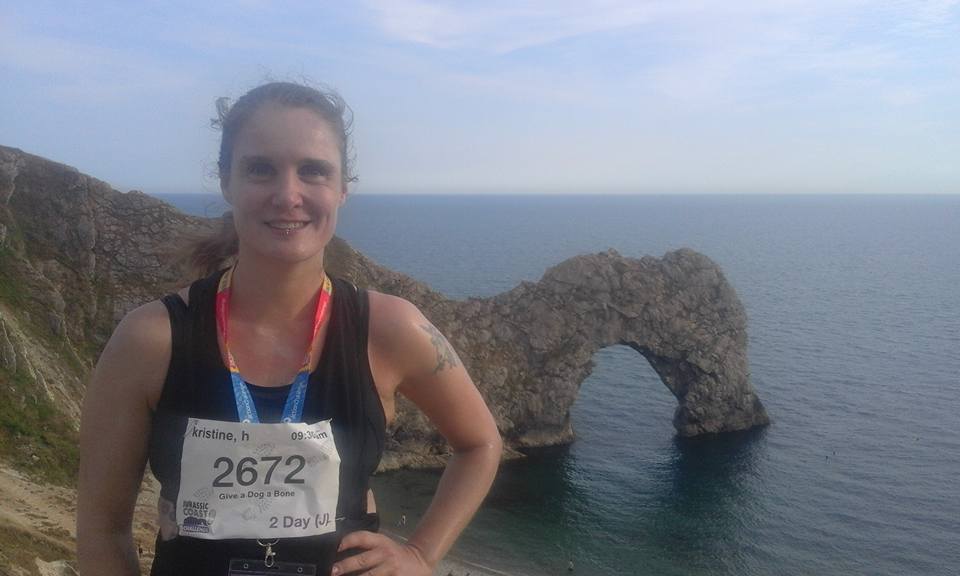
I liken doing a PhD to completing an Ultra-Challenge (100 km, cross country). It really is not for everyone, it is not easy, but anyone with enough determination and stamina can do it. It is hard going and lonely at times, but at other times fellow participants join you, and you bond in the shared struggle. The views are amazing. Sometimes those who have already completed come back to cheer you on, which can be quite up lifting. And you really do want everyone to finish! Although you do all the hard work, the support crew at check points and the on-course guides are instrumental in ensuring your wellbeing and keeping you on track. And when you finish you get to eat all the food!!
Acknowledgements
A special acknowledgement is due to my PhD supervisor Professor Sam Hurn who supported me and kept me on track throughout. Sam is the programme director for the MA and PhD in Anthrozoology at Exeter, and founder and director of the Exeter Anthrozoology as Symbiotic Ethics (EASE) working group. The EASE ethos has been instrumental in shaping my development and identity as an Anthrozoologist.
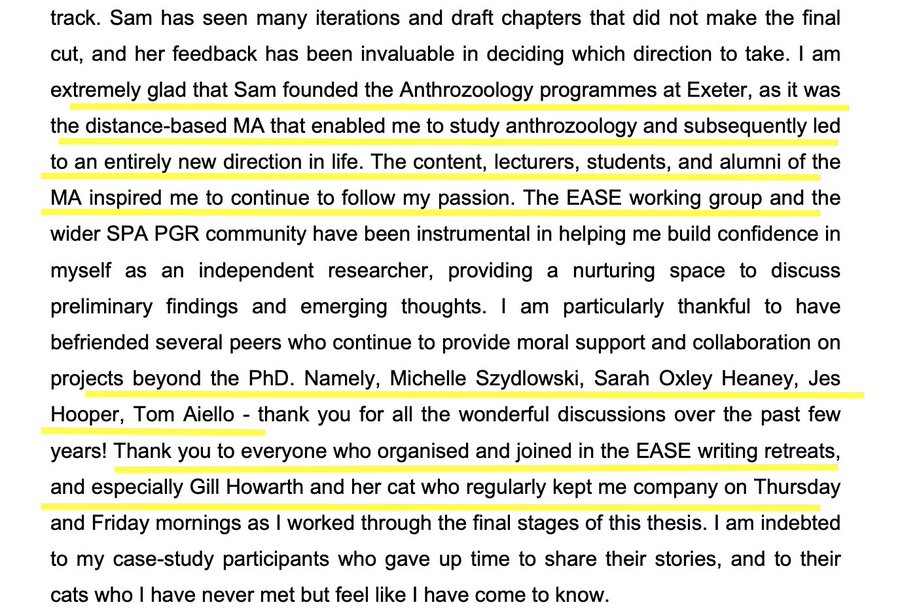
I share below an excerpt from my acknowledgements that praise the Exeter MA in Anthrozoology (also distance-based), the EASE working group, staff and fellow PGRs from the SPA department, the Exeter Doctoral College (who remain committed to inclusion of distance-based PGRs), my supervisor Sam Hurn, and fellow PGRs and collaborators who enriched (and continue to enrich) my academic journal. Namely, Jes Hooper, Tom Aiello, Michelle Szydlowski, and Sarah Oxley Heaney, whose names you may recognised as co-authors on several papers and collaborative ventures! (see Here, and Here!).
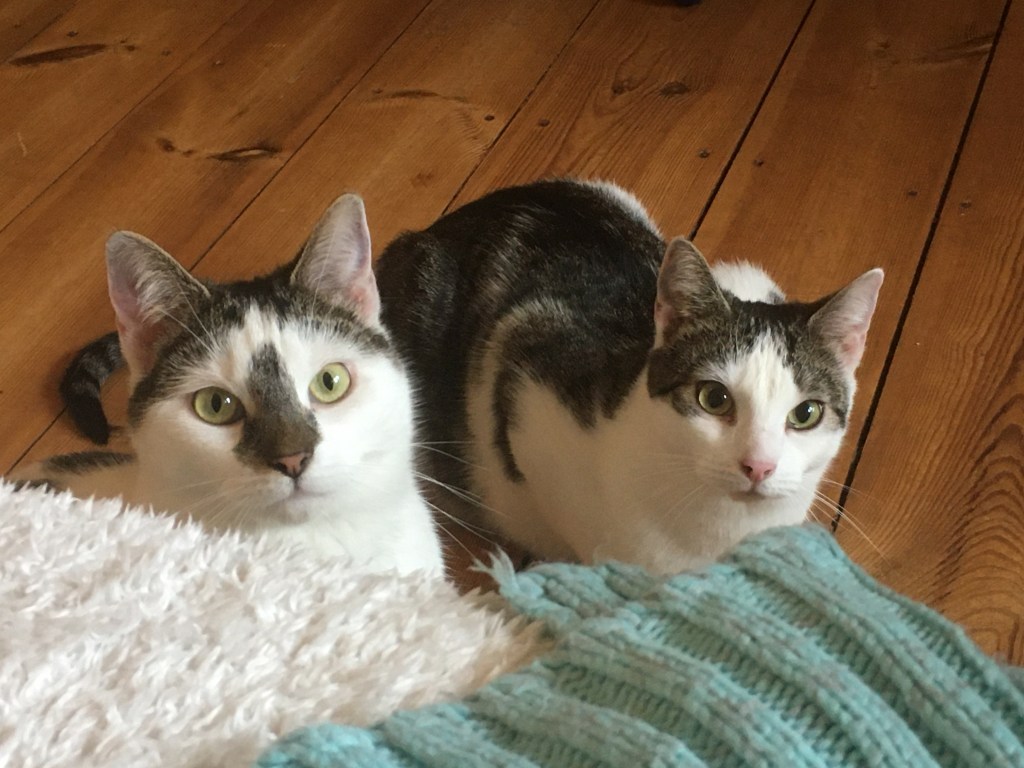
A special mention for my beloved cats who started his journal with me -Sophie (2005-2020) and Yoder (2005-2021), and to MaryMae and PeterLe who joined the family early 2023.


 Academic Cat Lady